
PCOS Symptoms Women Should Not Ignore
22
Jul
PCOS Symptoms Women Should Not Ignore
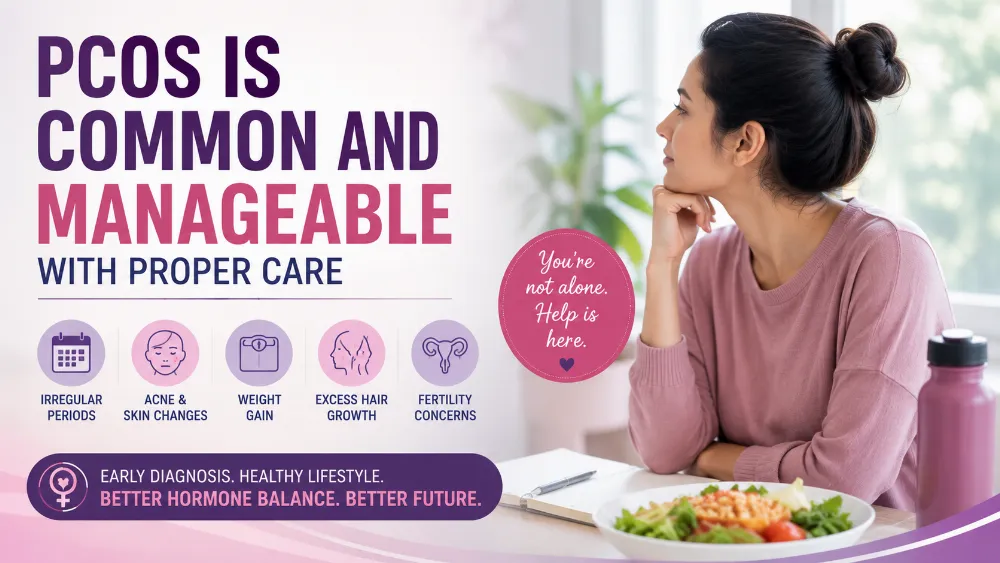
Polycystic Ovary Syndrome (PCOS), also known as Polycystic Ovarian Syndrome, is one of the most common hormonal conditions affecting women of reproductive age. Despite being widespread, many women remain undiagnosed for years because they assume irregular periods, acne, weight gain, or excessive hair growth are simply part of normal life.
PCOS affects much more than the menstrual cycle. It can influence hormone balance, metabolism, fertility, emotional well-being, and long-term health. The encouraging news is that PCOS is a manageable condition. With timely diagnosis, healthy lifestyle changes, and appropriate medical care, many women successfully control symptoms, maintain good health, and achieve their future pregnancy goals if they choose to.
For women in Mattannur, Kannur, Kuthuparamba, Irikkur, Kasaragod, and nearby areas, early consultation with a gynecologist can help identify PCOS before it leads to unnecessary complications.
What Is PCOS?
PCOS is a hormonal disorder that affects how the ovaries function. Women with PCOS may experience an imbalance in reproductive hormones, which can interfere with the normal release of eggs during the menstrual cycle.
Some women develop multiple small fluid-filled follicles in the ovaries, although not every woman with PCOS has ovarian cysts. Likewise, having ovarian cysts does not necessarily mean someone has PCOS.
Because PCOS affects several body systems, symptoms vary considerably from one woman to another.
Common Symptoms of PCOS
Some women notice symptoms during their teenage years, while others develop them later in life.
Common signs include:
- Irregular menstrual periods
- Missed periods
- Very infrequent periods
- Heavy menstrual bleeding
- Acne
- Oily skin
- Excess facial or body hair
- Hair thinning on the scalp
- Difficulty losing weight
- Weight gain around the abdomen
- Difficulty becoming pregnant
- Darkened skin around the neck or underarms
- Skin tags
Not every woman experiences all of these symptoms.
Some have regular periods but struggle with infertility, while others primarily notice weight gain or acne.
Why Does PCOS Develop?
The exact cause of PCOS is not fully understood.
Several factors appear to contribute, including:
Hormonal Imbalance
Women with PCOS often produce higher levels of male hormones (androgens), which may interfere with normal ovulation.
Insulin Resistance
Many women with PCOS develop insulin resistance.
This means the body's cells do not respond effectively to insulin, causing the pancreas to produce more insulin.
Higher insulin levels may contribute to increased androgen production, making PCOS symptoms worse.
Family History
Genetics also play a role.
Women with close relatives who have PCOS are more likely to develop the condition themselves.
PCOS Is More Than a Period Problem
One of the biggest misconceptions is that PCOS only affects menstruation.
In reality, PCOS is a metabolic and hormonal condition that may influence many aspects of health.
If left untreated, PCOS may increase the risk of:
- Type 2 diabetes
- High blood pressure
- High cholesterol
- Obesity
- Fatty liver disease
- Sleep disorders
- Anxiety
- Depression
- Infertility
- Pregnancy complications
Early medical care helps reduce many of these long-term risks.
How PCOS Affects Fertility
Many women first discover they have PCOS while trying to become pregnant.
Ovulation may occur irregularly or not at all, making conception more difficult.
However, PCOS does not mean pregnancy is impossible.
Many women with PCOS conceive naturally after improving lifestyle habits or with appropriate medical treatment.
Others benefit from fertility support under the guidance of a gynecologist.
Early evaluation helps identify the most suitable approach based on individual circumstances.
How Is PCOS Diagnosed?
Diagnosis involves more than simply performing an ultrasound.
Doctors usually consider several factors, including:
- Menstrual history
- Symptoms
- Physical examination
- Blood tests
- Hormone evaluation
- Ultrasound examination when appropriate
Because other hormonal conditions may produce similar symptoms, careful medical assessment is important before confirming a diagnosis.
Lifestyle Changes Play an Important Role
Lifestyle improvement is one of the most effective parts of PCOS management.
Even modest changes can produce significant improvements.
Healthy Eating
A balanced diet helps regulate blood sugar, improve hormone balance, and support healthy weight management.
Women are generally encouraged to:
- Eat plenty of vegetables
- Include lean protein
- Choose whole grains
- Reduce refined sugar
- Limit sugary beverages
- Avoid excessive processed foods
Healthy eating is not about extreme dieting but developing sustainable habits.
Regular Physical Activity
Exercise improves insulin sensitivity and supports weight management.
Walking, cycling, swimming, strength training, yoga, or other enjoyable activities can all contribute to better health.
Experts generally recommend at least 150 minutes of moderate exercise each week.
Weight Management
Not every woman with PCOS is overweight.
However, for those who are, even a modest weight reduction can help:
- Improve menstrual regularity
- Increase ovulation
- Improve fertility
- Reduce insulin resistance
- Improve blood sugar control
- Lower androgen levels
The focus should always be on healthy, sustainable weight management rather than rapid weight loss.
Medical Treatment Depends on Individual Goals
There is no single treatment suitable for every woman with PCOS.
Management depends on individual priorities.
For example:
If Menstrual Cycles Are Irregular
Treatment may focus on regulating periods and protecting long-term reproductive health.
If Pregnancy Is Desired
Doctors may recommend treatments that encourage ovulation and improve fertility.
If Acne or Excess Hair Growth Is the Main Concern
Hormonal treatment or other medications may be appropriate depending on individual circumstances.
Each treatment plan is personalized after careful medical evaluation.
Emotional Well-Being Matters Too
Living with PCOS can affect emotional health.
Some women experience:
- Anxiety
- Low confidence
- Frustration
- Body image concerns
- Stress related to fertility
- Mood changes
These emotional challenges deserve attention just as much as physical symptoms.
Open communication with healthcare professionals and family members can provide valuable support.
Regular Follow-Up Is Important
PCOS is a long-term condition.
Regular follow-up allows doctors to monitor:
- Menstrual cycles
- Weight
- Blood pressure
- Blood sugar
- Cholesterol
- Hormonal symptoms
- Fertility planning
Early identification of changing health needs allows treatment to be adjusted over time.
Can PCOS Be Prevented?
Because genetics influence PCOS, it cannot always be prevented.
However, healthy lifestyle habits can reduce symptom severity and lower the risk of complications.
Helpful habits include:
- Eating nutritious meals
- Exercising regularly
- Maintaining a healthy body weight
- Sleeping adequately
- Managing stress
- Attending regular gynecological checkups
These habits support both reproductive health and overall well-being.
When Should You Consult a Gynecologist?
You should consider medical evaluation if you experience:
- Irregular periods
- Missed periods
- Very heavy menstrual bleeding
- Difficulty becoming pregnant
- Persistent acne
- Excess facial or body hair
- Unexplained weight gain
- Hair thinning
- Dark skin patches around the neck or underarms
Early diagnosis often makes management easier and helps prevent long-term complications.
Women's Health Services at HNC Hospitals
At HNC Hospitals, women with concerns related to PCOS receive comprehensive evaluation and individualized care from experienced gynecologists. Assessment includes detailed menstrual history, clinical examination, appropriate laboratory investigations, and imaging when required to accurately diagnose hormonal conditions.
Treatment plans are tailored according to each woman's symptoms, health goals, and stage of life. Whether the focus is regulating menstrual cycles, managing acne, improving weight control, supporting fertility, or reducing long-term metabolic risks, care combines lifestyle guidance with medical management whenever appropriate.
The healthcare team also emphasizes preventive monitoring, helping women manage PCOS while protecting their future reproductive and overall health.
Conclusion
PCOS is one of the most common hormonal conditions affecting women, yet it is often misunderstood and frequently diagnosed late. While irregular periods may be the most noticeable symptom, PCOS can also influence fertility, metabolism, skin health, emotional well-being, and long-term health if left unmanaged.
The good news is that PCOS is highly manageable. Healthy lifestyle habits, regular exercise, balanced nutrition, weight management, and appropriate medical care can significantly improve symptoms and reduce future health risks. Early consultation with a gynecologist provides the opportunity to receive an accurate diagnosis, develop a personalized treatment plan, and achieve better reproductive and overall health.
No woman should ignore persistent menstrual irregularities or other symptoms. Seeking timely medical advice is an important step toward long-term well-being.
Frequently Asked Questions (FAQs)
1. What are the early signs of PCOS?
Common early signs include irregular or missed periods, acne, oily skin, unwanted facial or body hair, weight gain, difficulty losing weight, thinning scalp hair, and dark skin patches around the neck or underarms. Not every woman experiences the same symptoms.
2. Can women with PCOS become pregnant?
Yes. Many women with PCOS conceive naturally, while others may require lifestyle changes, medications, or fertility support. Early diagnosis and treatment often improve the chances of a healthy pregnancy.
3. Is PCOS only a problem with menstrual periods?
No. PCOS is a hormonal and metabolic condition that can also affect blood sugar control, weight, cholesterol levels, emotional well-being, fertility, and long-term heart health.
4. Does every woman with PCOS have ovarian cysts?
No. Some women with PCOS have multiple small follicles visible on ultrasound, while others do not. Likewise, having ovarian cysts does not automatically mean someone has PCOS. Diagnosis is based on several clinical factors.
5. Can lifestyle changes really improve PCOS?
Yes. Regular exercise, balanced nutrition, healthy weight management, and good sleep habits can improve insulin sensitivity, regulate menstrual cycles, reduce symptoms, and lower the risk of long-term complications. Lifestyle modification is one of the most important parts of PCOS management.

