
20
Jul
Varicose Veins: Symptoms, Risks, and Treatment Options
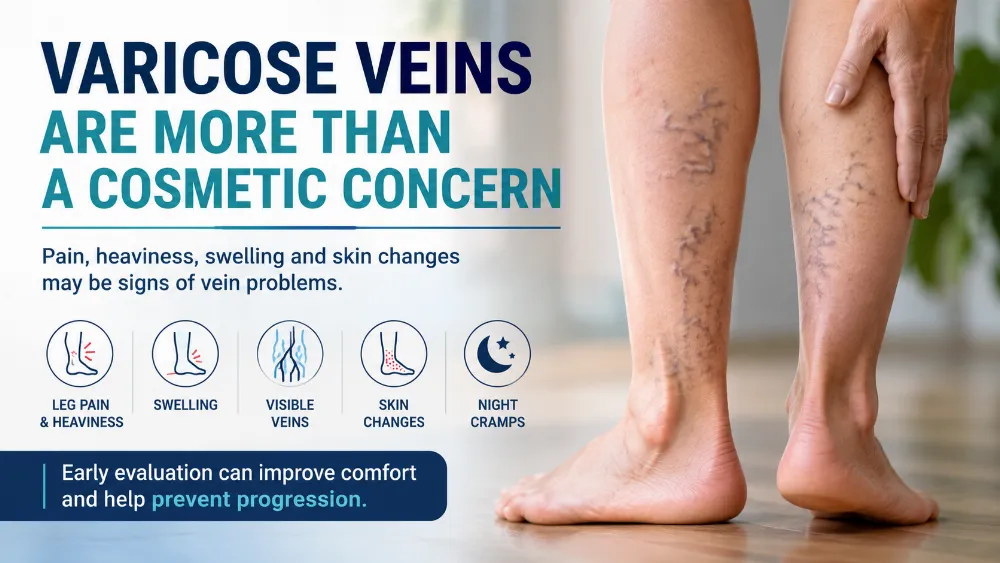
Many people think varicose veins are simply a cosmetic issue that affects the appearance of the legs. While enlarged, twisted, or bulging veins can certainly cause cosmetic concerns, they may also indicate an underlying problem with blood circulation. For many patients, varicose veins are associated with aching pain, heaviness, swelling, itching, muscle cramps, and discomfort that can gradually interfere with everyday life.
Because the condition often develops slowly, many individuals ignore the early symptoms until walking, standing, or even sleeping becomes uncomfortable. Seeking medical advice early can help manage symptoms, improve quality of life, and reduce the risk of long-term complications.
For people living in Mattannur, Kannur, Kuthuparamba, Irikkur, Kasaragod, and nearby areas, early evaluation of varicose veins can make treatment simpler and improve long-term leg health.
What Are Varicose Veins?
Veins carry blood from different parts of the body back to the heart. Inside the leg veins are tiny one-way valves that help blood flow upward against gravity.
When these valves become weak or damaged, blood begins to pool inside the veins instead of flowing efficiently toward the heart. This increased pressure causes the veins to enlarge, twist, and become visible beneath the skin.
These enlarged veins are known as varicose veins.
Although they commonly affect the legs and feet, they can occur anywhere veins are under increased pressure.
Why Do Varicose Veins Develop?
Several factors increase the likelihood of developing varicose veins.
Common risk factors include:
- Family history of varicose veins
- Increasing age
- Pregnancy
- Obesity
- Standing for long hours
- Sitting for prolonged periods
- Lack of physical activity
- Hormonal changes
- Previous leg injury
- Occupations requiring prolonged standing
Teachers, nurses, factory workers, sales professionals, hairdressers, security personnel, and healthcare workers often spend many hours standing, placing additional stress on the leg veins.
Common Symptoms
The symptoms of varicose veins vary from person to person.
Some people notice only visible veins, while others experience significant discomfort.
Common symptoms include:
- Enlarged blue or purple veins
- Twisted or bulging veins
- Leg heaviness
- Aching pain
- Burning sensation
- Throbbing discomfort
- Night-time leg cramps
- Ankle swelling
- Itching around the affected veins
- Muscle fatigue
- Restlessness in the legs
- Symptoms that worsen after prolonged standing
Many patients report that symptoms improve after resting with the legs elevated.
Why Symptoms Should Not Be Ignored
Ignoring varicose veins does not always cause serious problems immediately, but the condition often progresses gradually.
Without treatment, patients may develop:
- Persistent swelling
- Skin discoloration
- Dry, itchy skin
- Thickened skin
- Venous eczema
- Bleeding from superficial veins
- Venous ulcers
- Blood clots in superficial veins
Not every patient develops complications, but early evaluation helps identify individuals who may require treatment before these problems occur.
Who Is Most at Risk?
Although anyone can develop varicose veins, certain individuals are more likely to experience the condition.
Higher-risk groups include:
People with Family History
Genetics play a significant role.
If parents or close relatives have varicose veins, the likelihood of developing the condition increases.
Women
Hormonal changes during pregnancy, menstruation, and menopause may contribute to weakened vein walls.
Pregnancy also increases pressure inside the pelvic and leg veins.
Older Adults
As people age, vein walls naturally lose elasticity, making the valves less effective.
Individuals Who Stand for Long Hours
Standing continuously for extended periods allows gravity to increase pressure inside the leg veins.
Workers who spend much of the day standing often develop symptoms earlier.
Overweight Individuals
Excess body weight places additional pressure on the veins, making it harder for blood to return to the heart.
Are Varicose Veins Only a Cosmetic Problem?
No.
Although some patients seek treatment because of appearance, many others experience significant physical symptoms that affect their quality of life.
Persistent aching, swelling, heaviness, and fatigue can interfere with:
- Walking
- Exercise
- Household activities
- Work performance
- Sleep
- Recreation
Treating symptomatic varicose veins focuses on improving circulation, relieving discomfort, and preventing complications rather than simply improving appearance.
How Are Varicose Veins Diagnosed?
Diagnosis begins with a detailed clinical examination.
Doctors assess:
- Visible veins
- Swelling
- Skin condition
- Medical history
- Occupation
- Family history
- Symptoms
When necessary, a venous Doppler ultrasound may be recommended.
This specialized ultrasound evaluates blood flow inside the veins and identifies valve dysfunction or abnormal circulation.
The information helps doctors determine the most appropriate treatment plan.
Conservative Management
Many patients with mild symptoms benefit from non-surgical treatment.
Compression Stockings
Medical compression stockings apply gentle pressure that supports vein function and improves blood circulation.
They often reduce:
- Swelling
- Leg heaviness
- Fatigue
- Discomfort
Compression garments should be selected according to medical advice to ensure the correct size and pressure.
Regular Exercise
Walking activates the calf muscles, which function as a natural pump to help blood return toward the heart.
Regular physical activity supports healthy circulation and reduces prolonged blood pooling.
Weight Management
Maintaining a healthy weight reduces pressure on the leg veins.
Even modest weight loss may improve symptoms in overweight individuals.
Leg Elevation
Elevating the legs above heart level during rest helps reduce swelling and improves venous return.
Many patients notice symptom relief after elevating their legs for 15 to 20 minutes several times each day.
Avoid Long Periods of Standing or Sitting
Changing position regularly improves blood circulation.
Simple measures include:
- Walking every hour
- Stretching the calf muscles
- Flexing the ankles
- Taking movement breaks during work
These habits reduce prolonged pressure inside the veins.
Modern Treatment Options
When symptoms become significant or conservative treatment is insufficient, doctors may recommend additional interventions.
Depending on the severity of the condition, treatment options may include:
- Minimally invasive vein procedures
- Endovenous treatments
- Sclerotherapy
- Surgical management in selected cases
The most appropriate treatment depends on:
- Vein anatomy
- Ultrasound findings
- Severity of symptoms
- Overall health
- Patient preferences
Advances in vascular treatment now allow many procedures to be performed with minimal discomfort and relatively quick recovery.
Can Varicose Veins Be Prevented?
Not every case can be prevented, particularly when genetics play a role.
However, several healthy habits may reduce the risk of progression.
Helpful measures include:
- Walking regularly
- Maintaining a healthy body weight
- Avoiding prolonged standing
- Taking breaks during long sitting periods
- Exercising regularly
- Wearing supportive footwear
- Avoiding tight clothing around the waist and thighs
- Elevating the legs when resting
These simple lifestyle changes support healthy blood circulation.
When Should You Consult a Specialist?
Medical evaluation is recommended if you experience:
- Persistent leg heaviness
- Visible enlarged veins
- Swelling around the ankles
- Pain after standing
- Skin discoloration
- Itching over the veins
- Night cramps
- Non-healing wounds near the ankles
- Bleeding from a vein
Early assessment often allows simpler treatment and reduces the likelihood of complications.
Living Comfortably with Varicose Veins
Many people continue living active, healthy lives despite having varicose veins.
The key is recognizing symptoms early and seeking appropriate medical guidance rather than waiting for discomfort to become severe.
With proper treatment, lifestyle adjustments, and regular follow-up when needed, most patients experience significant improvement in comfort, mobility, and quality of life.
Varicose Vein Care at HNC Hospitals
At HNC Hospitals, patients with varicose veins receive comprehensive evaluation aimed at identifying the underlying cause of venous disease rather than treating only the visible veins. Clinical assessment may include examination of symptoms, physical evaluation, and venous Doppler ultrasound when required to assess blood flow and valve function.
Treatment plans are individualized according to the severity of symptoms and may include lifestyle guidance, compression therapy, exercise recommendations, and referral for advanced vascular treatment when appropriate. The healthcare team focuses on relieving discomfort, improving circulation, preventing complications, and helping patients return to comfortable daily activities.
Early consultation allows patients to explore treatment options before chronic swelling, skin changes, or other complications develop.
Conclusion
Varicose veins are much more than a cosmetic concern. While enlarged veins may initially affect appearance, they can also cause persistent pain, heaviness, swelling, itching, night cramps, and skin changes that interfere with everyday life. Left untreated, some patients may develop more serious complications, including chronic skin damage and venous ulcers.
The good news is that early diagnosis and appropriate treatment can significantly improve symptoms and slow disease progression. Simple lifestyle changes, compression therapy, regular exercise, and modern minimally invasive procedures provide effective solutions for many patients.
If you notice visible leg veins, swelling, aching, or discomfort that worsens after standing, do not ignore these signs. Seeking timely medical evaluation can improve circulation, reduce symptoms, and help you maintain healthier, more comfortable legs for years to come.

