
19
Jul
Physiotherapy After Injury or Surgery: Why Recovery Support Matters
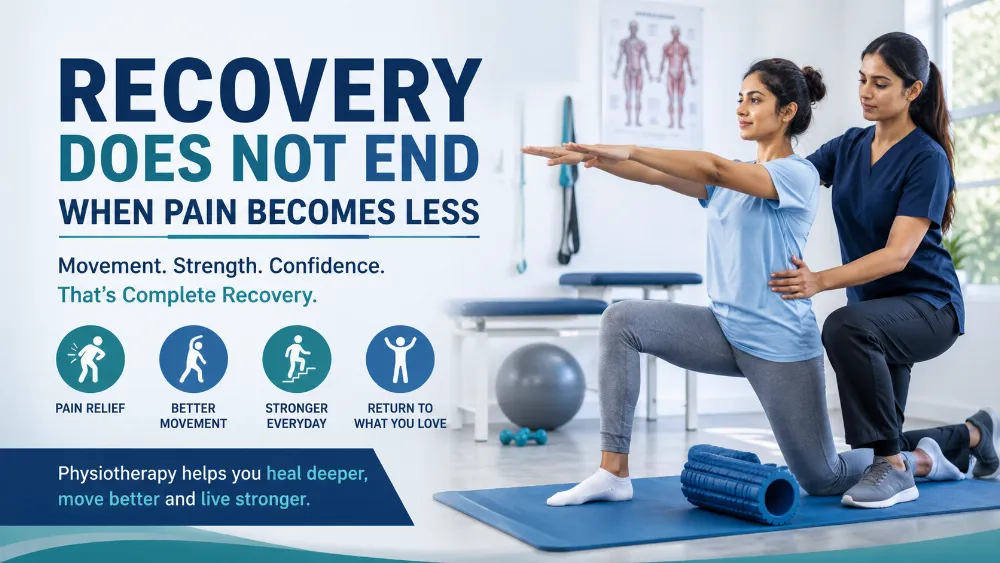
For many people, recovery seems complete once the pain starts to disappear. After a fracture heals, surgery is over, or a painful back begins to feel better, it is common to assume that normal activities can be resumed immediately. However, pain relief does not always mean that the body has fully recovered. Muscles may still be weak, joints can remain stiff, balance may be affected, and movement patterns may have changed during the healing process.
This is where physiotherapy plays an essential role. Physiotherapy focuses on restoring strength, flexibility, balance, coordination, and function so that patients can safely return to their normal daily activities. Whether recovering from an injury, surgery, sports-related problem, or long-standing joint pain, structured rehabilitation helps reduce the risk of recurring problems and promotes long-term recovery.
For individuals living in Mattannur, Kannur, Kuthuparamba, Irikkur, Kasaragod, and nearby areas, physiotherapy offers effective support for orthopedic recovery, mobility improvement, posture correction, pain management, and rehabilitation after illness or injury.
What Is Physiotherapy?
Physiotherapy is a healthcare specialty that helps people restore movement and physical function after injury, illness, surgery, or chronic pain.
Rather than simply treating symptoms, physiotherapy aims to identify the underlying cause of movement limitations and develop a personalized rehabilitation plan.
Treatment may include:
- Therapeutic exercises
- Stretching programs
- Strengthening exercises
- Balance training
- Posture correction
- Joint mobilization
- Manual therapy
- Pain management techniques
- Functional rehabilitation
- Patient education
Every treatment plan is designed according to the patient's age, medical condition, lifestyle, and recovery goals.
Why Recovery Continues After Pain Improves
Pain is only one part of the healing process.
When an injury occurs, the body naturally protects the affected area by reducing movement. Although this helps initial healing, prolonged immobility often leads to muscle weakness, reduced flexibility, joint stiffness, and poor coordination.
For example:
- A fractured leg may heal, but walking patterns may remain abnormal.
- Shoulder pain may reduce, yet stiffness can continue to limit movement.
- Back pain may improve, while weak core muscles increase the risk of recurrence.
- Knee surgery may relieve pain, but strength and balance may still require rehabilitation.
Without proper physiotherapy, these hidden problems can continue affecting daily life long after the pain has settled.
Who Can Benefit from Physiotherapy?
Physiotherapy is helpful for people of all ages.
Common conditions include:
Back Pain
Back pain is one of the leading causes of disability worldwide.
Poor posture, prolonged sitting, muscle weakness, heavy lifting, and spinal problems frequently contribute to chronic back pain.
Physiotherapy helps by:
- Strengthening core muscles
- Improving posture
- Increasing flexibility
- Reducing muscle tension
- Teaching safe movement techniques
The goal is not only pain relief but also preventing future episodes.
Neck Pain
Long hours of computer work, mobile phone use, poor sleeping posture, and stress often lead to neck pain.
Treatment may include:
- Stretching exercises
- Postural correction
- Strengthening exercises
- Ergonomic advice
- Manual therapy
Addressing the underlying cause often provides longer-lasting relief than pain medication alone.
Knee Pain
Knee pain affects people of all ages.
Common causes include:
- Osteoarthritis
- Sports injuries
- Ligament injuries
- Meniscus injuries
- Muscle weakness
- Obesity
Physiotherapy helps improve joint stability, strengthen surrounding muscles, and enhance walking ability.
Frozen Shoulder
Frozen shoulder gradually causes increasing stiffness and pain.
Without treatment, recovery may take many months or even years.
Structured physiotherapy improves shoulder mobility through carefully supervised stretching and strengthening exercises.
Sports Injuries
Athletes and physically active individuals often experience:
- Muscle strains
- Ligament sprains
- Tendon injuries
- Joint instability
Physiotherapy supports healing while helping athletes safely return to sports with reduced risk of re-injury.
Rehabilitation After Fractures
Even after a fractured bone has healed, rehabilitation is often necessary.
Weeks of immobilization inside a cast can result in:
- Muscle weakness
- Joint stiffness
- Reduced flexibility
- Poor balance
- Difficulty walking
Physiotherapists gradually guide patients through exercises that restore strength, coordination, and normal movement patterns.
This helps individuals regain confidence and independence.
Recovery After Surgery
Many surgical procedures require rehabilitation for optimal recovery.
Examples include:
- Knee replacement
- Hip replacement
- Shoulder surgery
- Spine surgery
- Ligament reconstruction
- Fracture fixation
Physiotherapy helps patients:
- Reduce stiffness
- Improve muscle strength
- Restore joint movement
- Improve walking
- Regain independence
- Return to work safely
Following surgery, structured rehabilitation often determines how well a patient ultimately recovers.
Improving Mobility in Older Adults
As people age, muscle strength naturally declines.
Older adults may experience:
- Difficulty walking
- Poor balance
- Increased fall risk
- Joint stiffness
- Reduced confidence during movement
Physiotherapy helps older adults remain active by improving strength, flexibility, balance, and coordination.
Fall prevention exercises also reduce the likelihood of injuries.
The Importance of Individualized Treatment
Every patient is different.
Two people with similar knee pain may require completely different treatment depending on:
- Age
- Activity level
- Medical history
- Cause of injury
- Muscle strength
- Joint mobility
- Overall fitness
Effective physiotherapy avoids a "one-size-fits-all" approach.
Instead, treatment plans are personalized according to each patient's specific needs and recovery goals.
Common Techniques Used in Physiotherapy
Physiotherapists combine several treatment methods depending on the condition.
These may include:
Therapeutic Exercise
Exercise forms the foundation of most rehabilitation programs.
Specific exercises improve:
- Muscle strength
- Flexibility
- Endurance
- Balance
- Coordination
Manual Therapy
Hands-on techniques may be used to improve joint mobility, reduce stiffness, and relieve muscle tightness.
Posture Training
Poor posture contributes to neck pain, back pain, shoulder discomfort, and headaches.
Patients learn healthier sitting, standing, lifting, and working positions.
Balance Training
Balance exercises help prevent falls, particularly among older adults and patients recovering from neurological or orthopedic conditions.
Functional Training
Rather than focusing only on isolated exercises, physiotherapy also prepares patients for real-life activities such as:
- Walking
- Climbing stairs
- Standing from a chair
- Lifting objects
- Returning to sports
- Returning to work
Benefits of Physiotherapy
Regular physiotherapy offers numerous benefits, including:
- Reduced pain
- Improved joint mobility
- Increased muscle strength
- Better flexibility
- Improved posture
- Faster recovery
- Reduced risk of re-injury
- Greater independence
- Improved balance
- Enhanced quality of life
Many patients also experience increased confidence as they regain normal physical function.
Preventing Future Injuries
Physiotherapy is not only about recovery.
It also focuses on prevention.
Patients learn:
- Correct lifting techniques
- Safe exercise methods
- Proper posture
- Workplace ergonomics
- Home exercise programs
- Warm-up and stretching routines
These preventive measures reduce the likelihood of future injuries and chronic pain.
Staying Active During Recovery
Many patients become afraid of movement after an injury.
They worry that activity may worsen the condition.
In reality, appropriate movement under professional guidance often promotes healing.
Complete bed rest is rarely recommended for most musculoskeletal conditions.
Physiotherapists gradually increase activity levels according to each patient's stage of recovery, ensuring exercises remain safe and effective.
Physiotherapy and Long-Term Health
Maintaining mobility is an important part of overall health.
Regular physical activity improves:
- Heart health
- Muscle strength
- Joint flexibility
- Bone health
- Mental well-being
- Weight management
Physiotherapy supports these long-term health goals by helping individuals remain active despite injury, surgery, or chronic conditions.
Physiotherapy Services at HNC Hospitals
At HNC Hospitals, physiotherapy services are designed to support patients recovering from injuries, fractures, surgeries, orthopedic conditions, sports injuries, and chronic musculoskeletal pain. Experienced physiotherapists develop individualized rehabilitation programs based on each patient's medical condition, physical abilities, and recovery goals.
Treatment focuses on restoring movement, improving muscle strength, increasing flexibility, correcting posture, reducing pain, and helping patients safely return to daily activities. Whether recovering from knee surgery, managing persistent back pain, rehabilitating after a fracture, or improving shoulder mobility, patients receive structured care aimed at achieving long-term functional recovery.
Close coordination between physiotherapists, orthopedic specialists, and other healthcare professionals ensures comprehensive rehabilitation tailored to each patient's needs.
Conclusion
Recovery is about much more than simply waiting for pain to disappear. True healing involves restoring strength, flexibility, balance, coordination, and confidence so that everyday activities can be performed safely and comfortably. Without proper rehabilitation, stiffness, weakness, and poor movement patterns may persist long after the initial injury has healed.
Physiotherapy provides a structured, personalized approach to recovery that helps patients regain independence, improve mobility, prevent future injuries, and enhance overall quality of life. Whether recovering from surgery, managing chronic back pain, rehabilitating after a fracture, or returning to sports, physiotherapy plays an important role in achieving complete recovery.
By seeking professional rehabilitation at the right time and following an individualized exercise program, patients can return to work, family life, and the activities they enjoy with greater confidence and better long-term health.

