
Red Eyes and Conjunctivitis: When Simple Irritation Needs Urgent Eye Care
15
Oct
Red Eyes and Conjunctivitis: When Simple Irritation Needs Urgent Eye Care
Key Takeaways & Summary
- A red eye is easy to label as conjunctivitis, especially when someone at home or school has similar symptoms.
- The first question is whether there is pain, light sensitivity, reduced vision, injury, or another urgent concern.
- Consult with the experienced specialists and clinical teams at hnc hospitals for personalized diagnostics and treatment options.
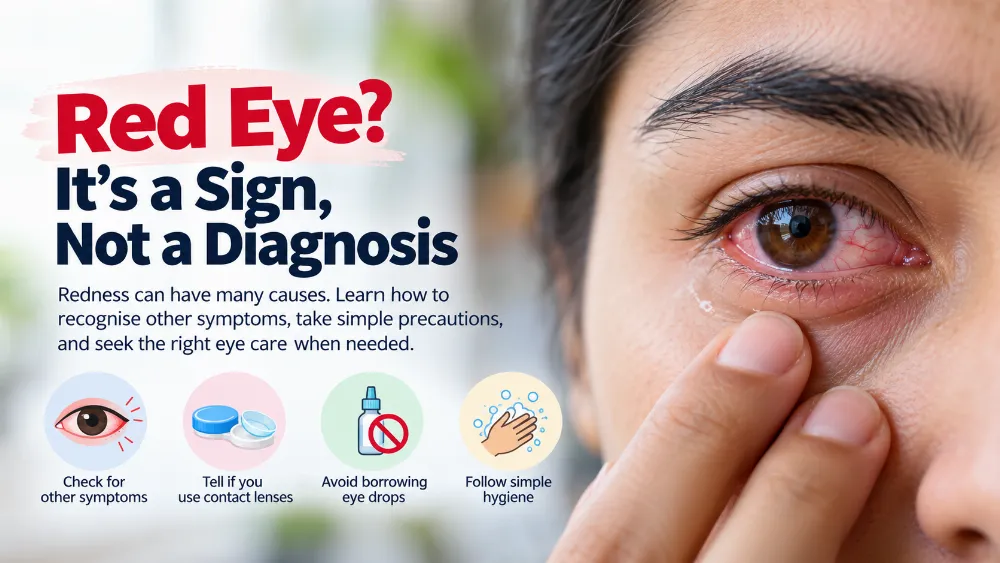
A red eye is easy to label as conjunctivitis, especially when someone at home or school has similar symptoms. Yet redness is a sign, not a diagnosis. Irritation, allergy, infection, contact lens problems, and more serious conditions may need different responses. The first question is whether there is pain, light sensitivity, reduced vision, injury, or another urgent concern. This guide explains how to describe symptoms, reduce avoidable spread when infection is suspected, and seek the right level of eye care in Mattannur or Kannur without relying on leftover drops.
Identify changes beyond redness
Describe whether one eye or both are affected, when symptoms began, and whether there is itching, discharge, watering, grittiness, or swelling. Note if eyelids stick together on waking and whether vision changes after blinking. Pain, sensitivity to light, or a persistent change in vision should be assessed promptly. Severe eye symptoms, chemical exposure, or injury need urgent care. Do not wait for a red-eye medicine to work before reporting these features. If a child cannot explain the problem, observe reluctance to open the eye, rubbing, discomfort in light, and changes in normal activity, then seek appropriate advice.
Mention contact lenses immediately
If you wear contact lenses, tell the healthcare professional when seeking advice. A painful red eye in a lens wearer requires particular attention. Remove lenses and avoid resuming use until the treating professional advises it is safe. Bring details of lens type, cleaning solution, wearing schedule, and any recent change in products or habits. Do not use tap water to improvise lens care or share lenses. Ask whether the lenses, case, or solution need replacing as part of the plan. The goal is to address both the current eye problem and the practices that may contribute to future risk.
Avoid borrowing eye drops
Old or shared drops may be unsuitable, contaminated, or expired. Different eye conditions require different treatment, and some drops should be used only with professional guidance. Tell the clinician about everything already placed in the eye, including home preparations. Do not use steroid-containing drops independently for redness. If medication is prescribed, ask how to apply it, how often, and for how long. Learn whether treatment is intended for one eye or both and what to do if irritation increases. Wash hands before and after application and avoid touching the bottle tip to the eye or surrounding skin.
Use household hygiene calmly
When conjunctivitis is suspected to be infectious, avoid sharing towels, wash hands regularly, and reduce unnecessary touching of the eyes. Clean discharge using the approach recommended by the healthcare professional. Do not repeatedly scrub the eyelids or apply strong cleaning products near the eyes. If several people are affected, avoid sharing treatment and seek individual advice where needed. Ask about school or work attendance according to the person's symptoms and applicable guidance. Hygiene should reduce transmission without making the patient feel blamed or excluded. Practical routines are easier to maintain than elaborate household restrictions based on rumours.
Discuss allergy and irritation patterns
Tell the clinician whether symptoms recur with dust, particular environments, cosmetics, seasonal exposure, or other triggers. Describe associated sneezing or nasal symptoms where relevant. Avoid concluding that every itchy red eye is an allergy or that every discharge requires antibiotics. A clinical assessment helps distinguish the possibilities. Review any new product used around the eyes and stop experimenting with several alternatives at once. If workplace dust or chemicals are involved, explain the task and protective equipment. Advice should address the actual exposure and eye findings rather than rely on a generic red-eye checklist.
Make follow-up instructions explicit
Before leaving, ask when improvement should be expected, what persistence means, and which changes require urgent contact. Keep the medicine name and instructions available, especially if caregivers help a child. If symptoms recur, bring earlier prescriptions and explain whether they helped. A photograph may show the timing of visible changes, but it cannot replace examination or assess vision safely. If you develop pain, light sensitivity, reduced vision, or substantial worsening while using treatment, seek prompt review. A routine follow-up date should not be treated as permission to wait through deterioration.
Explain exposures without experimenting to confirm them
List recent cosmetics, cleaning products, dust, swimming, contact lens use, and contact with others who have eye symptoms. Note when each exposure occurred relative to redness. Do not reapply a suspected product to see whether the eye becomes red again. If a chemical entered the eye, obtain urgent guidance and follow appropriate immediate first-aid advice rather than wait for a routine consultation. Bring the product information when practical. For ordinary irritation concerns, a clear history helps the clinician decide what examination and advice are relevant. The purpose is to identify possibilities, not to prove a cause through repeated exposure or home testing.
Make prescribed drop use manageable
Ask the professional to demonstrate the technique if applying drops is difficult. Confirm which eye is treated, how many drops are used, the timing, and how to manage more than one product if prescribed. Label the current treatment clearly and keep old products separate so they are not used by mistake. For a child, agree who gives each dose and record it simply. Do not allow the bottle tip to touch the eye, fingers, or surfaces. Ask about storage and expiry after opening. If the instructions are unclear or the treatment is uncomfortable, contact the service instead of guessing. Accurate administration makes the response easier to assess.
Keep visual symptoms central at review
Describe whether reading, recognising faces, or normal activities are affected, without conducting unsafe home experiments. Note if discomfort, redness, and discharge changed together or differently. Bring the prescribed drops and explain whether all instructions were followed. If vision changes, pain, or light sensitivity develops, seek prompt advice rather than wait to complete the course. At the planned review, ask whether the original diagnosis still fits the course and whether lens use or work exposures can resume. A clear explanation should connect the examination findings with the next decision. The aim is safe recovery and protection of vision, not merely making the eye look less red.
If treatment instructions change, label the current prescribed drops clearly and ask what to do with older products. Confirm whether contact lenses or cosmetics can be resumed. Do not infer that reduced redness means every restriction has ended. A brief check with the treating professional can make the return to normal eye care clearer.
Ask the professional to confirm that you can apply the treatment correctly before leaving with the written instructions.
Common questions about conjunctivitis
Are antibiotics always needed for a red eye?
No. Treatment depends on the cause. Assessment and appropriate professional advice should guide the choice rather than the colour of the eye alone.
Can I use drops that helped a family member?
Do not share eye medicines. The cause, age, medical history, and product safety may differ, and a shared bottle can introduce additional risk.
Is blurred vision part of ordinary conjunctivitis?
A change in vision needs careful assessment, especially if persistent or accompanied by pain or light sensitivity. Seek prompt advice instead of assuming it is harmless.
Choose the appropriate eye care pathway
For eye concerns in Mattannur or Kannur, check hnc ophthalmology information and confirm the relevant consultation location and schedule. Describe pain, vision changes, injury, and contact lens use when contacting the service so urgency can be considered. Bring current drops and earlier eye reports. Urgent symptoms should be assessed through available urgent care rather than wait for a preferred routine slot. The aim is to protect vision and establish a treatment plan based on the actual cause of the redness.
Explore hnc departments, check doctor listings, or view appointment information.
Further reading

