
Osteoporosis Risk: Building a Bone Health Plan Before the Next Fall
17
Oct
Osteoporosis Risk: Building a Bone Health Plan Before the Next Fall
Key Takeaways & Summary
- Bone health often becomes a priority only after a fracture.
- The decision to investigate or treat depends on more than age alone.
- Consult with the experienced specialists and clinical teams at hnc hospitals for personalized diagnostics and treatment options.
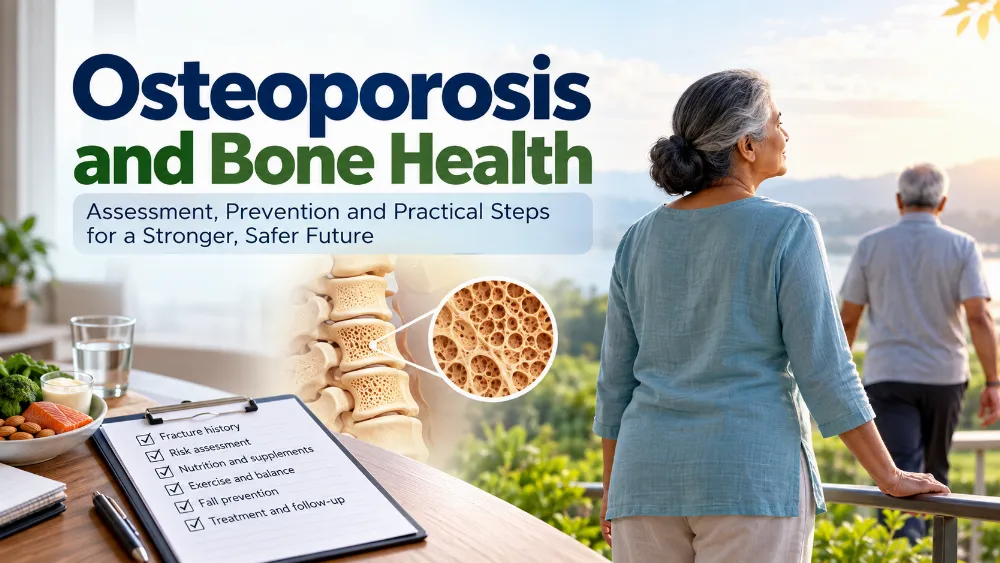
Bone health often becomes a priority only after a fracture. Osteoporosis weakens bones and can develop without obvious symptoms, so risk assessment is worth discussing before another injury occurs. The decision to investigate or treat depends on more than age alone. Previous fractures, medicines, family history, menopause, and other medical conditions can be relevant. This guide helps adults and caregivers in Kannur prepare a bone health conversation that includes practical fall prevention and follow-up. It avoids assuming that a supplement, scan, or exercise programme is automatically right for every person.
Build a fracture and medicine history
Write down previous broken bones, when they happened, and the circumstances of each injury. A fracture after a relatively minor fall may be particularly relevant. Mention loss of height, new back pain, or a change in posture rather than dismissing these automatically as ageing. Bring a current medicine list, including long-term steroid treatment and other relevant prescriptions. Do not stop medicines independently because they may affect bone health. The clinician can discuss risk while considering why those medicines are needed. Family history, particularly parental hip fracture, and earlier bone investigations should also be included in the consultation.
Ask how personal risk is assessed
The clinician may consider clinical risk factors and whether a bone density scan is appropriate. Not everyone needs the same investigation at the same age. Ask what question the scan would answer, how the result would influence treatment, and whether existing records are sufficient. A report should be explained alongside fracture risk rather than treated as a single score that describes your entire health. If you have had a scan elsewhere, bring the report and information about when it was performed. Avoid purchasing repeat tests without a review plan. The useful outcome is a decision linked to your individual circumstances.
Separate bone strength from fall risk
A bone treatment plan and a fall-prevention plan address related but different issues. Review vision, footwear, balance, dizziness, medicines, and obstacles in the home with the healthcare team. Think about bathroom access, lighting at night, stairs, loose rugs, and frequently used items placed out of reach. Caregivers should discuss changes with the person rather than rearrange the home without agreement. Maintaining independence is part of the goal. If a walking aid is advised, ask how to use it correctly. A safer environment should support activity rather than make the person fearful of every movement.
Make food and supplements an individual discussion
Talk about calcium and vitamin D needs, dietary preferences, and any existing supplements. More is not automatically better, and products may duplicate ingredients already taken. Bring packaging so the clinician or dietitian can review it. Explain restrictions, appetite difficulties, kidney problems, or digestive conditions that affect food choices. A practical meal plan should fit the household budget and preferences. Do not assume that a single fortified product replaces varied eating or that dietary change alone treats every case of osteoporosis. Ask how nutrition fits with any medicine, exercise, and monitoring recommended for you.
Choose appropriate movement and rehabilitation
Movement supports function, but the programme should account for fractures, pain, balance, and other conditions. Ask for suitable weight-bearing, strengthening, or balance activities and any precautions that apply. Someone recovering from a fracture may need supervised rehabilitation or a staged progression. Avoid copying high-impact workouts simply because they are advertised for bone strength. Set functional goals such as rising from a chair, walking safely outdoors, or managing a step. Report pain or fear that prevents participation. The aim is consistent, appropriate activity with a review process, rather than a sudden increase that the person cannot sustain safely.
Understand medicines and review timing
If treatment is recommended, ask how it is taken, what preparation instructions matter, and what side effects or symptoms require contact. Different treatments have different schedules and considerations. Tell the clinician about planned dental treatment and other relevant health issues when reviewing options. Keep a record of doses or appointments if treatment is not taken daily. Do not stop or delay scheduled treatment without discussing it with the prescribing team. Ask how long the initial plan lasts and when fracture risk or treatment response will be reconsidered. Follow-up is part of treatment, not an optional extra after the first prescription.
Review one room at a time
Start with the areas where daily movement is hardest: the bathroom, route to the toilet at night, stairs, or entrance. Ask the person what feels unsafe and what they want to keep doing independently. Check lighting, clutter, footwear, and access to frequently used items. A small agreed change can be more effective than a major rearrangement that creates unfamiliar obstacles. If handrails or other equipment are considered, ask about appropriate installation and use. Do not substitute household furniture for a recommended walking aid. Include caregivers in practical planning with consent, and review whether the changes actually make movement easier. Fall prevention should support confidence, not turn the home into a place where the person is afraid to move.
Make treatment schedules visible
Some bone-health treatments have schedules that are easy to forget because they are not taken daily. Use an agreed reminder and write down the next appointment or dose date. Ask whom to contact if timing is disrupted by illness, travel, or access problems. Keep instructions with the medicine and avoid mixing old and current plans. If a caregiver helps, ensure they know the actual prescription rather than rely on memory. Discuss any difficulty following preparation instructions with the treating team. The solution may require practical adaptation, but it should not involve independently changing the dose or interval. Schedules support continuity and accurate clinical review.
Ask what another fracture would change
If a new fracture occurs, tell the team managing bone health and bring the treatment record. Ask whether risk, medicines, rehabilitation, or investigation needs reassessment. A fracture is not simply evidence that the person failed to be careful. It may prompt a review of several parts of the plan. Discuss the injury circumstances and any fall-related symptoms such as dizziness or loss of balance. Arrange relevant records between services so the fracture care and longer-term bone plan remain connected. The aim is to understand what happened and strengthen the next steps, while supporting recovery and independence rather than adding blame.
Keep goals personally meaningful
Choose an activity the person values, such as walking outdoors, attending a family event, or managing a familiar household task. Ask how the rehabilitation and prevention plan supports that goal. Practical goals can make treatment easier to understand than focusing only on a scan result. Review obstacles honestly and adjust the plan with the team. Bone health care should preserve participation as well as address future fracture risk.
Common questions about osteoporosis
Does bone pain always mean osteoporosis?
No. Osteoporosis can be silent, and pain has many possible causes. New or persistent pain needs assessment rather than a self-diagnosis.
Is osteoporosis only a women's problem?
No. Men can also be affected. Individual risk factors and medical history matter when deciding whether assessment is needed.
Can calcium tablets prevent every fracture?
No single measure guarantees prevention. A plan may need to address bone strength, medicines, activity, nutrition, and the risk of falling together.
Start a bone health conversation locally
For bone health advice in Mattannur or Kannur, arrange an appropriate medical or orthopaedic review and bring fracture records, medicine information, and earlier scans. Check hnc listings for the relevant location and current appointments. If a recent fall causes severe pain or inability to bear weight, seek prompt assessment rather than wait for a preventive consultation. A useful long-term plan should preserve mobility and explain which actions, treatment schedules, and review dates matter for your personal risk.
Explore hnc departments, check doctor listings, or view appointment information.
Further reading

