
Carpal Tunnel Symptoms: Night-Time Hand Tingling and When to Seek Review
14
Oct
Carpal Tunnel Symptoms: Night-Time Hand Tingling and When to Seek Review
Key Takeaways & Summary
- Waking with a tingling hand can seem like a minor inconvenience until it happens repeatedly or you begin dropping objects.
- Note symptoms during sleep, driving, phone use, repetitive work, and other tasks.
- Consult with the experienced specialists and clinical teams at hnc hospitals for personalized diagnostics and treatment options.
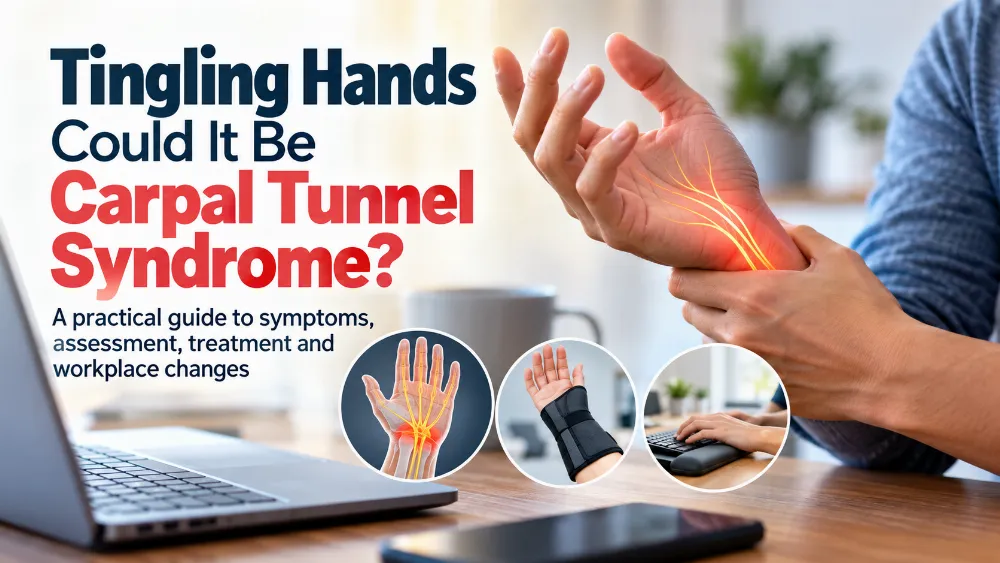
Waking with a tingling hand can seem like a minor inconvenience until it happens repeatedly or you begin dropping objects. Carpal tunnel syndrome involves pressure on a nerve at the wrist, but tingling can also have other explanations. The distribution, timing, associated weakness, and medical history all matter. This guide helps patients prepare for assessment without assuming that every numb hand needs surgery. It also explains why an ergonomic change or a brace should be part of a considered plan rather than a substitute for investigating persistent symptoms.
Map the symptoms clearly
Record which fingers are affected, whether one or both hands are involved, and how long episodes last. Note symptoms during sleep, driving, phone use, repetitive work, and other tasks. Include numbness, burning, pain, clumsiness, or a reduced grip. A rough hand diagram can be useful if describing the distribution is difficult. Do not repeatedly provoke symptoms to prove that a problem exists. Tell the clinician whether changing position helps and whether the symptoms are becoming more frequent. This pattern is more informative than a general description of poor circulation, which may not reflect the cause.
Report weakness and new changes early
Increasing weakness, loss of dexterity, persistent numbness, or visible change in hand muscles deserves timely assessment. Sudden weakness affecting an arm, particularly with facial droop or speech difficulty, is an emergency and should not be attributed to carpal tunnel syndrome. New symptoms after a significant injury also need appropriate review. If you already use a brace, mention whether the hand has worsened despite it. Do not wait until work becomes impossible. Describing functional changes such as difficulty fastening buttons or holding a cup helps the team understand why the symptoms matter and how urgently to assess them.
Share the wider medical history
Tell the clinician about diabetes, thyroid problems, pregnancy, inflammatory conditions, previous wrist injuries, and any neck or arm symptoms. Bring medicines and relevant earlier reports. These details do not establish the diagnosis on their own, but they can shape the assessment. If symptoms have been treated elsewhere, describe the treatment and the response. Avoid assuming that the same cause explains tingling in every part of the body. The clinician may need to examine the neck, arm, and hand or consider other investigations. A complete history helps prevent a narrow focus on the wrist when another explanation is possible.
Understand testing and conservative treatment
Diagnosis may involve the history and examination, with additional testing when needed. Ask why a nerve test or other investigation is recommended and how its result would influence treatment. If a wrist splint is advised, learn how to wear it and when to review its effect. The fit matters; a device that creates pressure or discomfort should be discussed. Do not buy several supports and switch between them without knowing the goal. Ask what improvement to look for, how long to trial the recommended approach, and what persistent or worsening symptoms would mean for the next decision.
Adapt work without promising a cure
Review repetitive tasks, prolonged wrist positions, tool use, and breaks with the treating professional. An adjustment may reduce aggravation, but it cannot confirm the diagnosis or guarantee recovery. If your work involves machinery, sharp tools, driving, or handling hot objects, explain any loss of grip or sensation because safety may be affected. Consider a temporary task change where appropriate. Keep frequently used items within comfortable reach and avoid making every household activity a test of strength. The aim is a practical routine that supports treatment while allowing the clinician to review whether symptoms are improving.
Discuss procedures with realistic questions
If an injection or operation is considered, ask what symptoms it is intended to address and what recovery may involve. Explain work demands, caregiving responsibilities, and whether both hands are affected. Confirm preparation instructions, medicines to discuss, transport arrangements, and expected follow-up. Avoid decisions based only on a friend's experience or a dramatic video. Ask what might happen if you continue the current treatment and what would make a procedural option more appropriate. A decision should connect the clinical findings with your priorities and the expected benefits and limitations of each option.
Describe the tools and tasks you actually use
Bring examples of work and household tasks rather than simply say that you use your hands all day. Driving, gripping a tool, lifting a pan, using a phone, and repetitive assembly work involve different demands. Explain when symptoms begin and whether breaks or position changes alter them. If loss of sensation makes handling sharp or hot items unsafe, discuss temporary precautions. A workplace adjustment should be specific enough to implement and reviewed if it is not helping. Avoid assuming that a more expensive keyboard or wrist support will address every cause. The task description gives the clinician context for advice and helps connect treatment with the activities that are becoming difficult.
Check whether a support is being used as intended
If a splint has been advised, bring it to review. Ask about fit, wrist position, timing, and signs that it is creating pressure or discomfort. Do not alter the device with improvised padding or tighten it to stop all movement without guidance. Tell the team whether symptoms change while using it and whether sleep or work makes adherence difficult. A support should have a defined purpose and review point. If several devices have been tried, list them rather than bring a vague account of nothing working. The clinician can assess whether the conservative plan was suitable and practical before deciding what the next step should be.
Plan around hand function if a procedure is considered
Ask how the proposed treatment may affect driving, cooking, lifting, work, and care of children or relatives. If one hand is already limited, explain how you would manage while the other recovers. Arrange transport and help according to the procedure-specific instructions, not a friend's timetable. Confirm wound care, follow-up, and which symptoms require contact. Discuss the expected benefit in relation to numbness, pain, sleep, and strength rather than assume that every symptom will resolve at the same speed. A practical recovery plan is part of an informed decision and can prevent avoidable difficulty after leaving the clinic.
When arranging follow-up, ask whether you should bring the splint, work examples, or monitoring records again. Keep the appointment date visible rather than wait until symptoms become disruptive. If function changes before then, contact the team with specific examples. A worsening ability to hold objects or perform familiar tasks is useful information and should not be hidden by simply avoiding them.
Explain whether numbness affects both hands, since practical support may need to account for that difficulty.
Common questions about hand tingling
Is this always caused by typing?
No. Tasks and wrist position can be relevant, but symptoms require assessment in the context of the wider history. Blaming one activity can miss another cause.
Should I wear a splint all day?
Follow individual advice about the type, fit, and timing of splint use. More time in a device is not automatically better.
Does numbness mean I need an operation?
Not necessarily. Treatment depends on the diagnosis, severity, function, and response to appropriate care. Persistent or worsening weakness should be reported promptly.
Prepare for local assessment
For recurrent hand tingling in Mattannur or Kannur, check the relevant hnc department and doctor information and confirm the consultation schedule. Bring a symptom map, earlier reports, and any splint you already use. Explain how the problem affects sleep and practical tasks. The useful outcome is a clear diagnosis or investigation plan, safe interim advice, and a review point. Do not let an online label or an unreviewed support device replace assessment when symptoms are persistent or changing.
Explore hnc departments, check doctor listings, or view appointment information.
Further reading

