
Skin Problems That Need a Dermatology Visit
27
Jul
Skin Problems That Need a Dermatology Visit
Skin problems are among the most common health concerns affecting people of all ages. From acne during adolescence to fungal infections, eczema, allergies, pigmentation, and hair fall in adults, skin conditions can have a significant impact on both physical comfort and self-confidence.
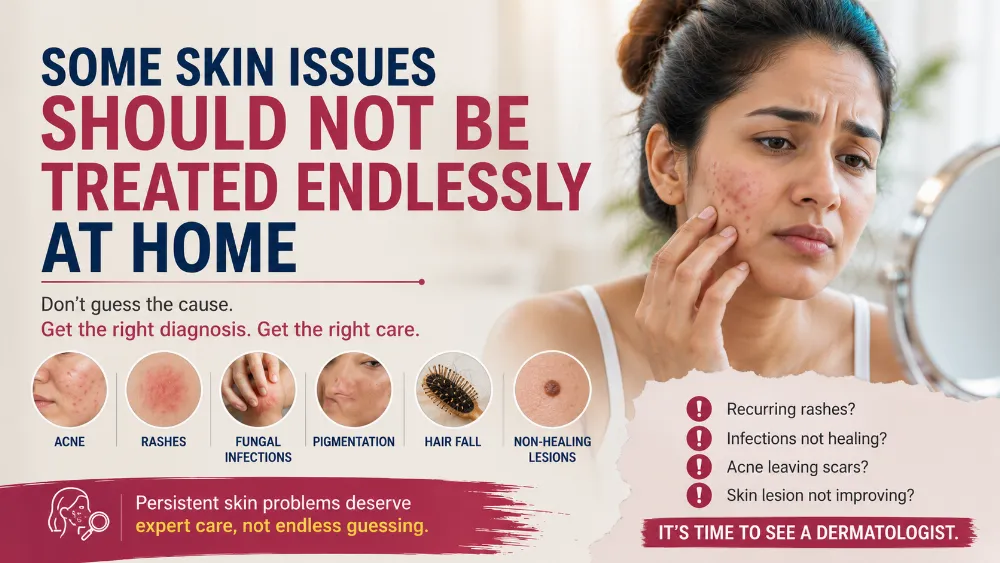
Many people initially try home remedies, over-the-counter creams, or advice from friends and family before consulting a doctor. While some minor skin problems may improve with simple care, repeated self-treatment without a proper diagnosis can delay recovery, worsen symptoms, and sometimes make the condition more difficult to treat.
Healthy skin is more than a cosmetic concern. It acts as the body's first line of defense against infections, helps regulate body temperature, and protects internal organs from environmental damage. Persistent skin problems deserve medical attention just as much as any other health condition.
For individuals living in Mattannur, Kannur, Kuthuparamba, Irikkur, Kasaragod, and nearby areas, early consultation with a dermatologist can help identify the underlying cause of skin concerns and provide effective treatment before complications develop.
Why Skin Problems Should Not Be Ignored
Many skin conditions appear similar on the surface but have completely different causes.
For example, an itchy red rash may result from:
- Fungal infection
- Allergy
- Eczema
- Psoriasis
- Bacterial infection
- Contact dermatitis
Using the wrong cream may temporarily reduce symptoms while allowing the underlying condition to continue spreading.
Accurate diagnosis is therefore one of the most important parts of successful dermatology treatment.
Common Skin Problems Seen by Dermatologists
Dermatologists evaluate a wide variety of skin, hair, and nail conditions.
Some of the most common include:
Acne
Acne affects teenagers and adults alike.
It develops when hair follicles become blocked with oil and dead skin cells.
Common symptoms include:
- Pimples
- Blackheads
- Whiteheads
- Painful nodules
- Oily skin
Without appropriate treatment, acne may leave permanent scars and pigmentation.
Early medical care often reduces both active acne and long-term scarring.
Fungal Infections
Fungal infections are especially common in warm and humid climates.
Common symptoms include:
- Itching
- Circular red patches
- Skin peeling
- Scaling
- Burning sensation
Repeated use of inappropriate creams, particularly steroid-containing products, may worsen fungal infections and make treatment more difficult.
Professional diagnosis helps ensure the correct medication is prescribed.
Eczema
Eczema causes dry, itchy, inflamed skin.
Symptoms often include:
- Persistent itching
- Dryness
- Redness
- Thickened skin
- Cracking
Although eczema cannot always be permanently cured, proper treatment helps control flare-ups and improve quality of life.
Allergic Skin Reactions
Allergic reactions may occur due to:
- Cosmetics
- Jewelry
- Soaps
- Plants
- Foods
- Medicines
- Dust
Identifying and avoiding triggers is often an important part of treatment.
Pigmentation
Uneven skin color may result from:
- Sun exposure
- Hormonal changes
- Previous acne
- Skin inflammation
- Certain medical conditions
Treatment depends on identifying the underlying cause rather than simply applying cosmetic products.
Hair Fall
Hair loss affects both men and women.
Possible causes include:
- Genetics
- Stress
- Nutritional deficiencies
- Hormonal imbalance
- Thyroid disorders
- Medical illnesses
- Certain medications
Because hair loss has many causes, medical evaluation helps determine the most appropriate treatment.
Why Self-Treatment Sometimes Makes Things Worse
Many people purchase creams based on internet advice or recommendations from friends.
Unfortunately, not every cream is suitable for every condition.
Common problems associated with self-treatment include:
- Delayed diagnosis
- Spread of fungal infections
- Skin thinning from steroid misuse
- Increased pigmentation
- Allergic reactions
- Antibiotic resistance
- Permanent scarring
Even if symptoms temporarily improve, the underlying disease may continue progressing.
Non-Healing Skin Lesions Should Always Be Evaluated
Any skin sore, ulcer, lump, or lesion that does not heal deserves medical attention.
Persistent skin lesions may result from:
- Chronic infection
- Poor circulation
- Diabetes
- Skin cancer
- Inflammatory skin disease
Early evaluation helps identify potentially serious conditions before complications occur.
Skin Health and General Health Are Connected
Many internal medical conditions first appear on the skin.
Examples include:
- Diabetes
- Thyroid disease
- Autoimmune disorders
- Nutritional deficiencies
- Liver disease
- Kidney disease
Skin examination sometimes provides important clues that help diagnose broader health problems.
The Emotional Impact of Skin Conditions
Visible skin problems often affect emotional well-being.
Individuals may experience:
- Reduced confidence
- Social anxiety
- Embarrassment
- Stress
- Low self-esteem
Acne, pigmentation, psoriasis, eczema, and hair loss can all influence daily life beyond their physical symptoms.
Effective treatment frequently improves both physical comfort and emotional confidence.
When Should You See a Dermatologist?
Medical evaluation is recommended if:
- A rash keeps returning.
- Itching continues despite treatment.
- Acne becomes severe.
- Pimples leave scars.
- Fungal infections spread.
- Hair fall becomes excessive.
- Skin color changes significantly.
- Moles change in appearance.
- Skin lesions fail to heal.
- Symptoms interfere with daily life.
Early treatment usually produces better outcomes than waiting for symptoms to worsen.
How Dermatologists Diagnose Skin Conditions
Diagnosis begins with a detailed medical history.
Your doctor may ask about:
- Duration of symptoms
- Previous treatments
- Allergies
- Family history
- Medications
- Occupation
- Recent travel
- Personal care products
This is followed by careful examination of the skin, hair, or nails.
When necessary, additional investigations may include:
- Skin scrapings
- Laboratory tests
- Allergy evaluation
- Skin biopsy
Accurate diagnosis guides effective treatment.
Protecting Your Skin Every Day
Healthy skincare habits reduce the risk of many common problems.
Helpful practices include:
- Washing the skin gently.
- Avoiding harsh chemicals.
- Using sunscreen outdoors.
- Keeping the skin moisturized.
- Avoiding sharing towels.
- Wearing breathable clothing.
- Treating infections early.
- Drinking enough water.
- Eating a balanced diet.
Simple preventive measures support healthy skin throughout life.
The Importance of Following Treatment Properly
Many skin conditions improve gradually rather than immediately.
Stopping medication too early may allow symptoms to return.
Following your dermatologist's treatment plan—including follow-up appointments—is important for achieving lasting improvement.
Avoid Steroid Creams Without Medical Advice
Combination creams containing steroids are commonly misused for fungal infections and other skin conditions.
Although these creams may temporarily reduce redness and itching, they often:
- Mask symptoms
- Spread infection
- Thin the skin
- Delay proper diagnosis
Steroid creams should only be used under medical supervision.
Healthy Lifestyle Supports Healthy Skin
General health influences skin health.
Helpful habits include:
- Eating nutritious foods
- Sleeping well
- Managing stress
- Exercising regularly
- Staying hydrated
- Avoiding smoking
These lifestyle measures complement medical treatment and promote healthier skin.
Dermatology Care at HNC Hospitals
At HNC Hospitals, dermatology services provide comprehensive evaluation and treatment for a wide range of skin, hair, and nail conditions. Experienced dermatologists assess each patient's symptoms carefully to identify the underlying cause before recommending an individualized treatment plan.
Services include the management of acne, fungal infections, eczema, allergic skin conditions, pigmentation disorders, hair loss, chronic itching, skin infections, and non-healing skin lesions. Diagnostic evaluation, appropriate medications, lifestyle guidance, and preventive skincare advice are combined to help patients achieve lasting improvement.
The focus is not only on treating visible symptoms but also on preventing recurrence, reducing complications, and improving both skin health and overall well-being.
Conclusion
Skin conditions are extremely common, but they should not always be managed with repeated home remedies or over-the-counter creams. Persistent itching, acne, fungal infections, pigmentation, hair fall, and non-healing skin lesions often require accurate diagnosis before effective treatment can begin.
Seeking timely advice from a dermatologist allows the underlying cause to be identified and treated appropriately, reducing the risk of complications, permanent scarring, and recurring symptoms. Healthy skin contributes not only to physical comfort but also to confidence and overall quality of life.
If a skin problem continues to return, spreads despite treatment, or affects your daily activities, do not rely on guesswork. Professional dermatology care offers the best opportunity for accurate diagnosis, effective treatment, and long-term skin health.

