
Obesity and Joint Pain: Why Weight Control Matters for Mobility
25
Jul
Obesity and Joint Pain: Why Weight Control Matters for Mobility
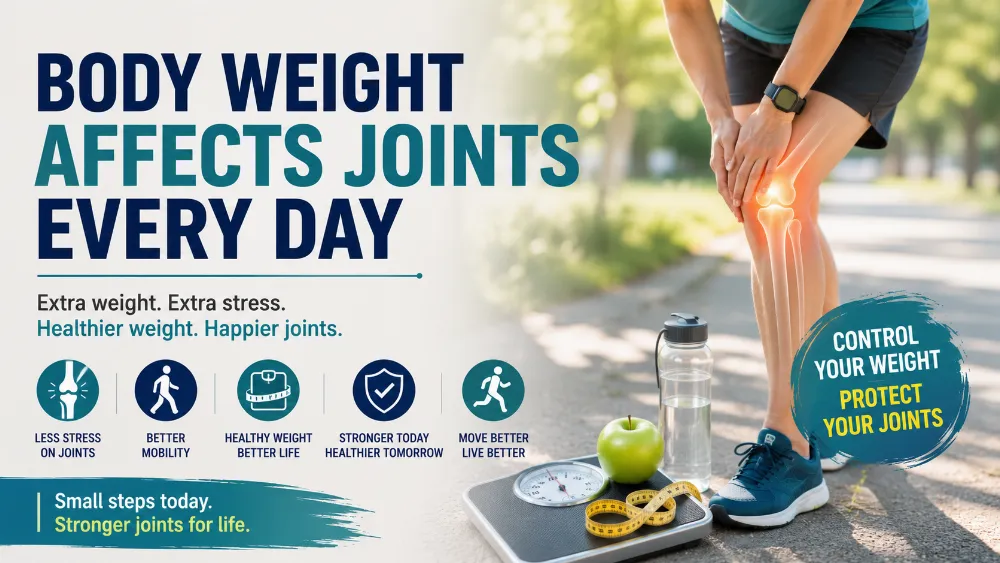
Most people think about body weight in terms of appearance or fitness goals. However, one of the biggest effects of excess weight is something many people experience every day without realizing it—additional stress on the joints. Every step you take, every staircase you climb, and every time you stand up from a chair, your joints support the weight of your entire body. When that weight increases, the pressure on the knees, hips, ankles, and spine also increases.
Over time, this extra stress can contribute to joint pain, stiffness, reduced mobility, and slower recovery from injuries. Many people living with chronic knee pain or back pain focus only on pain relief without addressing one of the most important contributing factors: body weight.
The encouraging news is that even modest, gradual weight loss can significantly improve joint function, reduce pain, and make everyday activities more comfortable. Combined with appropriate medical care, physiotherapy, healthy eating, and regular physical activity, maintaining a healthy weight can protect your joints for years to come.
For individuals in Mattannur, Kannur, Kuthuparamba, Irikkur, Kasaragod, and nearby areas, understanding the relationship between body weight and joint health is an important step toward improving long-term mobility.
How Joints Support Your Body
Joints are the places where two or more bones meet, allowing movement and flexibility. They are supported by cartilage, ligaments, muscles, tendons, and surrounding soft tissues that work together to provide stability and absorb the impact of everyday activities.
Weight-bearing joints include:
- Knees
- Hips
- Ankles
- Feet
- Spine
These joints are constantly exposed to pressure during walking, standing, running, climbing stairs, and lifting objects.
When body weight increases, these structures must work harder throughout the day.
How Extra Weight Increases Joint Stress
Many people are surprised to learn that the pressure placed on the knees is much greater than actual body weight.
During activities such as walking or climbing stairs, the force transmitted through the knee joints can be several times a person's body weight.
This means that even a small increase in body weight creates a much larger increase in joint pressure.
Over months and years, this repeated stress can contribute to:
- Cartilage wear
- Joint inflammation
- Muscle fatigue
- Reduced flexibility
- Pain during movement
The heavier the load, the harder the joints must work.
Which Joints Are Most Affected?
Knees
The knees are among the most commonly affected joints.
Excess weight increases pressure on the cartilage inside the knee, making everyday movements more difficult.
Common symptoms include:
- Pain while walking
- Difficulty climbing stairs
- Stiffness after sitting
- Swelling
- Reduced walking distance
Weight management often plays a key role in reducing knee discomfort.
Hips
The hip joints support much of the body's weight.
Additional pressure over time may contribute to:
- Hip pain
- Reduced flexibility
- Difficulty standing
- Limited walking ability
Healthy weight reduces stress on these important joints.
Ankles and Feet
The feet and ankles absorb the impact of every step.
Extra weight increases strain on:
- Ligaments
- Tendons
- Foot arches
- Ankle joints
This may contribute to heel pain, ankle discomfort, and fatigue after walking.
Spine
The lower back supports the upper body throughout the day.
Being overweight increases the workload placed on spinal muscles, discs, and joints.
Many people with excess weight experience:
- Chronic lower back pain
- Muscle stiffness
- Poor posture
- Reduced mobility
Weight reduction often improves spinal comfort alongside other treatments.
Weight and Osteoarthritis
Osteoarthritis is one of the most common joint conditions affecting adults.
It develops when the protective cartilage covering the ends of bones gradually wears away.
Although aging contributes to osteoarthritis, excess body weight accelerates joint wear by increasing mechanical stress.
Weight management is therefore considered one of the most effective non-surgical treatments for knee osteoarthritis.
The Hidden Effects of Body Weight
Extra weight affects more than mechanical pressure.
Body fat also produces inflammatory substances that may contribute to ongoing joint inflammation.
This means body weight influences joint health through both:
- Increased physical stress
- Increased inflammation
Managing weight therefore supports healthier joints in more than one way.
Why Weight Loss Improves Joint Pain
Many people believe they must lose a large amount of weight before noticing any improvement.
Fortunately, this is not true.
Even modest weight loss may:
- Reduce knee pain
- Improve walking
- Increase flexibility
- Improve balance
- Reduce swelling
- Increase exercise tolerance
- Improve quality of life
Small improvements accumulated over time often produce meaningful changes.
Weight Loss Should Be Gradual
Rapid weight-loss programs are rarely sustainable.
Healthy weight management focuses on:
- Balanced nutrition
- Regular exercise
- Realistic goals
- Long-term lifestyle changes
Crash diets often lead to muscle loss, nutritional deficiencies, and rapid weight regain.
Steady progress is generally healthier and easier to maintain.
Exercise Is Safe for Most People with Joint Pain
Many individuals avoid exercise because they worry movement will worsen joint pain.
In reality, carefully selected exercises often improve symptoms.
Low-impact activities are usually well tolerated.
Examples include:
- Walking
- Swimming
- Cycling
- Water exercises
- Yoga
- Stretching
- Strength training under supervision
Strengthening the muscles around joints improves stability and reduces mechanical stress.
A physiotherapist or orthopedic specialist can recommend exercises appropriate for each individual's condition.
The Importance of Muscle Strength
Strong muscles help absorb forces that would otherwise be transmitted directly to the joints.
Strengthening:
- Thigh muscles
- Hip muscles
- Core muscles
- Back muscles
helps improve posture, balance, and walking ability.
Muscle strengthening also reduces injury risk.
Nutrition Supports Joint Health
Healthy eating supports both weight management and overall joint health.
A balanced diet should include:
- Fresh vegetables
- Fruits
- Whole grains
- Lean proteins
- Healthy fats
- Adequate water
Limiting processed foods, sugary drinks, and excessive fried foods supports gradual weight reduction.
Working with a dietitian can help patients develop practical meal plans suited to their lifestyle and medical conditions.
Integrated Care Provides Better Results
Joint pain is rarely solved through one treatment alone.
Many patients benefit from combining:
- Orthopedic consultation
- Physiotherapy
- Dietitian guidance
- Exercise planning
- Weight management
- Pain management when needed
This comprehensive approach addresses both symptoms and underlying contributing factors.
Recovery After Injury
Patients recovering from fractures, ligament injuries, or surgery often find rehabilitation easier after reducing excess weight.
Lower body weight decreases stress on healing joints, allowing more comfortable movement during physiotherapy.
Recovery becomes more effective when rehabilitation and weight management progress together.
Everyday Habits That Protect Your Joints
Simple daily habits make a significant difference over time.
Helpful practices include:
- Walking regularly
- Avoiding prolonged sitting
- Maintaining good posture
- Wearing supportive footwear
- Lifting objects correctly
- Stretching regularly
- Staying hydrated
- Maintaining a healthy body weight
Consistency is far more important than occasional intense efforts.
When Should You Seek Medical Advice?
Consider consulting a healthcare professional if you experience:
- Persistent knee pain
- Hip pain
- Lower back pain
- Difficulty walking
- Joint swelling
- Reduced mobility
- Pain that limits daily activities
- Weight gain associated with worsening joint symptoms
Early evaluation often allows simpler treatment and prevents long-term complications.
Mobility and Weight Management at HNC Hospitals
At HNC Hospitals, patients experiencing joint pain and mobility concerns receive comprehensive care through a multidisciplinary approach. Orthopedic specialists evaluate joint conditions, identify contributing factors, and recommend individualized treatment plans based on each patient's symptoms and lifestyle.
Physiotherapists help improve strength, flexibility, balance, and movement through structured rehabilitation programs, while dietary guidance supports healthy and sustainable weight management. Rather than focusing on rapid weight loss, the emphasis is on gradual lifestyle improvements that reduce stress on the joints, enhance mobility, and improve long-term function.
By combining orthopedic care, physiotherapy, nutritional support, and preventive healthcare, HNC Hospitals helps patients move more comfortably, recover more effectively, and maintain healthier joints throughout life.
Conclusion
Every step we take places stress on our joints, and excess body weight increases that stress significantly. Over time, the additional pressure on the knees, hips, ankles, and spine can contribute to pain, stiffness, reduced mobility, and slower recovery after injury.
The encouraging news is that even modest, gradual weight loss can reduce joint pain, improve walking ability, and enhance overall quality of life. Combined with regular exercise, balanced nutrition, physiotherapy, and expert medical guidance, healthy weight management is one of the most effective ways to protect joint health.
Rather than aiming for rapid results, focus on building sustainable daily habits that support long-term mobility. Small improvements made consistently can help reduce joint strain, improve comfort, and keep you active for many years to come.

