
How to Recognize a Silent Blood Pressure Problem Early
23
Jul
How to Recognize a Silent Blood Pressure Problem Early
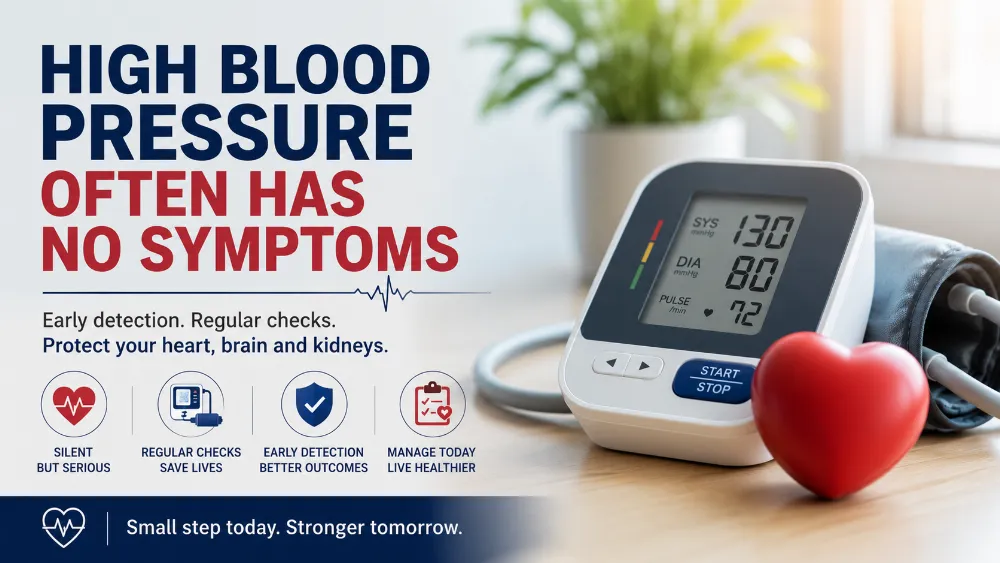
High blood pressure, also known as hypertension, is one of the most common health conditions affecting adults worldwide. Despite its widespread occurrence, many people remain unaware they have it because it often develops without causing noticeable symptoms. For this reason, hypertension is frequently referred to as the "silent killer."
Many individuals discover they have high blood pressure only during a routine health checkup or after experiencing serious complications such as a heart attack, stroke, kidney disease, or vision problems. By the time symptoms appear, the condition may have already caused significant damage to important organs.
The encouraging news is that hypertension can usually be detected with a simple blood pressure measurement and managed effectively through healthy lifestyle changes, regular monitoring, and medication when necessary.
For people living in Mattannur, Kannur, Kuthuparamba, Irikkur, Kasaragod, and nearby areas, routine blood pressure screening is one of the simplest and most important steps toward protecting long-term health.
What Is Blood Pressure?
Blood pressure is the force with which blood pushes against the walls of the arteries as the heart pumps it throughout the body.
A blood pressure reading consists of two numbers:
- Systolic pressure – the pressure when the heart contracts and pumps blood.
- Diastolic pressure – the pressure when the heart relaxes between beats.
Both numbers are important because they indicate how hard the heart is working and how much pressure is placed on the blood vessels.
Your doctor will interpret your readings based on your age, overall health, and current medical guidelines.
Why Is High Blood Pressure Called the "Silent Killer"?
One of the biggest dangers of hypertension is that it often produces no warning signs.
Many people with high blood pressure:
- Feel completely healthy.
- Continue normal daily activities.
- Have no pain or discomfort.
- Remain undiagnosed for years.
Unfortunately, even without symptoms, elevated blood pressure may gradually damage blood vessels and vital organs.
This hidden damage can continue silently until a serious medical emergency occurs.
That is why regular blood pressure screening is so important.
Who Is at Risk of High Blood Pressure?
Although anyone can develop hypertension, certain factors increase the risk.
These include:
- Age over 40 years
- Family history of hypertension
- Diabetes
- Obesity
- High cholesterol
- Smoking
- Excessive alcohol consumption
- Physical inactivity
- High salt intake
- Chronic stress
- Poor sleep
- Kidney disease
People with multiple risk factors should have their blood pressure checked regularly, even if they feel perfectly healthy.
What Can High Blood Pressure Damage?
Persistent high blood pressure affects nearly every major organ in the body.
Heart
The heart must work harder to pump blood against increased pressure.
Over time, this may lead to:
- Heart attack
- Heart failure
- Enlarged heart
- Coronary artery disease
Brain
Hypertension significantly increases the risk of:
- Stroke
- Memory problems
- Reduced cognitive function
- Vascular dementia
Kidneys
The kidneys contain delicate blood vessels that filter waste from the body.
Long-standing hypertension can damage these vessels, reducing kidney function and eventually contributing to chronic kidney disease.
Eyes
Small blood vessels inside the eyes are also vulnerable.
Uncontrolled blood pressure may cause:
- Blurred vision
- Bleeding within the eye
- Retinal damage
- Vision loss
Blood Vessels
Hypertension weakens artery walls over time, increasing the risk of:
- Aneurysms
- Peripheral artery disease
- Poor circulation
Because these complications develop gradually, prevention through early diagnosis is essential.
Does High Blood Pressure Always Cause Symptoms?
Most people experience no symptoms at all.
However, in some cases, particularly when blood pressure becomes extremely high, individuals may develop:
- Severe headache
- Dizziness
- Blurred vision
- Chest pain
- Shortness of breath
- Nosebleeds
- Fatigue
These symptoms should never be ignored and require prompt medical evaluation.
Importantly, waiting for symptoms before checking blood pressure is not recommended.
Why Regular Blood Pressure Checks Matter
Measuring blood pressure takes only a few minutes.
Yet this simple test can identify a potentially serious condition before permanent damage occurs.
Routine screening allows doctors to:
- Detect hypertension early
- Assess cardiovascular risk
- Recommend lifestyle improvements
- Begin treatment if necessary
- Monitor treatment effectiveness
Regular monitoring is particularly important for individuals with diabetes, obesity, kidney disease, or a family history of hypertension.
How Is High Blood Pressure Diagnosed?
A single elevated reading does not always mean someone has hypertension.
Blood pressure can temporarily increase due to:
- Stress
- Anxiety
- Physical activity
- Pain
- Caffeine
Doctors usually confirm hypertension by taking multiple readings over time or recommending home blood pressure monitoring.
Accurate diagnosis helps avoid unnecessary treatment while ensuring true hypertension is managed appropriately.
Lifestyle Changes Can Make a Big Difference
Healthy lifestyle habits are one of the most effective ways to control blood pressure.
Reduce Salt Intake
Excess salt causes the body to retain fluid, increasing blood pressure.
Limiting processed foods and reducing added salt can significantly improve blood pressure control.
Eat a Balanced Diet
A heart-healthy diet should include:
- Fresh fruits
- Vegetables
- Whole grains
- Lean proteins
- Healthy fats
- Low-fat dairy products
Limiting sugary foods, processed snacks, and saturated fats also supports cardiovascular health.
Stay Physically Active
Regular exercise strengthens the heart and improves blood circulation.
Most adults benefit from at least 150 minutes of moderate physical activity each week.
Walking, cycling, swimming, and light strength training are excellent options.
Maintain a Healthy Weight
Even modest weight loss can lower blood pressure in overweight individuals.
Healthy weight management also reduces the risk of diabetes and heart disease.
Stop Smoking
Smoking damages blood vessels and significantly increases the risk of heart attack and stroke.
Quitting smoking provides immediate and long-term cardiovascular benefits.
Limit Alcohol
Excessive alcohol consumption may raise blood pressure and interfere with medications.
Following medical advice regarding alcohol intake supports better blood pressure control.
Manage Stress
Long-term stress can contribute to elevated blood pressure.
Helpful stress management techniques include:
- Deep breathing
- Yoga
- Meditation
- Regular exercise
- Hobbies
- Spending time with family
- Adequate sleep
Good emotional health supports heart health.
The Importance of Taking Medication Properly
Some individuals can control hypertension through lifestyle changes alone.
Others require medication.
If medication is prescribed, it should be taken exactly as directed.
Many patients stop treatment once blood pressure improves.
However, blood pressure often rises again if medication is discontinued without medical supervision.
Regular follow-up appointments allow doctors to adjust treatment safely.
Can High Blood Pressure Be Prevented?
Although some risk factors such as age and family history cannot be changed, many others can.
Healthy habits that reduce hypertension risk include:
- Exercising regularly
- Maintaining a healthy body weight
- Eating nutritious meals
- Reducing salt intake
- Avoiding smoking
- Limiting alcohol
- Managing stress
- Sleeping well
- Attending routine health checkups
Preventive care remains one of the most effective strategies for protecting long-term health.
Blood Pressure Monitoring Is a Lifelong Habit
Checking blood pressure should not be limited to people who already have hypertension.
Adults should include blood pressure measurement as part of routine preventive healthcare.
Early diagnosis allows treatment to begin before serious complications develop.
The sooner hypertension is identified, the easier it is to protect the heart, brain, kidneys, and blood vessels.
Hypertension Care at HNC Hospitals
At HNC Hospitals, patients with high blood pressure receive comprehensive evaluation and ongoing care from experienced physicians. Blood pressure assessment forms an important part of routine health checkups, especially for individuals with diabetes, obesity, kidney disease, family history of hypertension, or other cardiovascular risk factors.
Management focuses not only on controlling blood pressure but also on reducing long-term complications through lifestyle guidance, nutritional advice, regular monitoring, and individualized treatment plans. When necessary, additional investigations are performed to assess heart health, kidney function, and other organs that may be affected by hypertension.
The healthcare team works closely with patients to promote long-term blood pressure control, improve overall cardiovascular health, and encourage preventive healthcare through regular follow-up.
Conclusion
High blood pressure is one of the most common yet most frequently undiagnosed medical conditions because it often develops without noticeable symptoms. Despite its silent nature, uncontrolled hypertension can gradually damage the heart, brain, kidneys, eyes, and blood vessels, increasing the risk of life-threatening complications.
Fortunately, hypertension is both detectable and manageable. Regular blood pressure screening, healthy lifestyle choices, appropriate medical treatment, and ongoing monitoring can significantly reduce the risk of heart attack, stroke, kidney disease, and other serious health problems.
If you are an adult, particularly if you have diabetes, obesity, stress, poor sleep, or a family history of hypertension, make regular blood pressure checks part of your routine healthcare. Early detection remains one of the simplest and most effective ways to protect your long-term health.
Frequently Asked Questions (FAQs)
1. Can I have high blood pressure without feeling sick?
Yes. Most people with high blood pressure have no symptoms at all, which is why hypertension is often called the "silent killer." Regular screening is the best way to detect it early.
2. How often should adults check their blood pressure?
Healthy adults should have their blood pressure checked during routine medical visits. People with diabetes, obesity, kidney disease, or a family history of hypertension may require more frequent monitoring as advised by their doctor.
3. Can lifestyle changes reduce high blood pressure?
Yes. Healthy eating, regular exercise, reducing salt intake, maintaining a healthy weight, managing stress, avoiding smoking, and limiting alcohol can significantly improve blood pressure control and may reduce the need for medication in some individuals.
4. If my blood pressure improves, can I stop taking my medicine?
No. Blood pressure medication should never be stopped without consulting your doctor. Many people require ongoing treatment to keep their blood pressure under control.
5. Why is early detection of hypertension so important?
Early diagnosis allows treatment before hypertension causes damage to the heart, kidneys, brain, eyes, and blood vessels. Regular monitoring helps prevent serious complications such as stroke, heart attack, kidney failure, and vision loss.

