
Desk Neck and Posture Pain: A Physiotherapy Roadmap That Goes Beyond Stretching
19
Sep
Desk Neck and Posture Pain: A Physiotherapy Roadmap That Goes Beyond Stretching
Key Takeaways & Summary
- Practical guide: This practical guide is written for office workers, students and frequent device users with recurring neck, shoulder or upper-back discomfort.
- Posture is often blamed as if one slouched photograph explains every episode of neck pain.
- Consult with the experienced specialists and clinical teams at hnc hospitals for personalized diagnostics and treatment options.
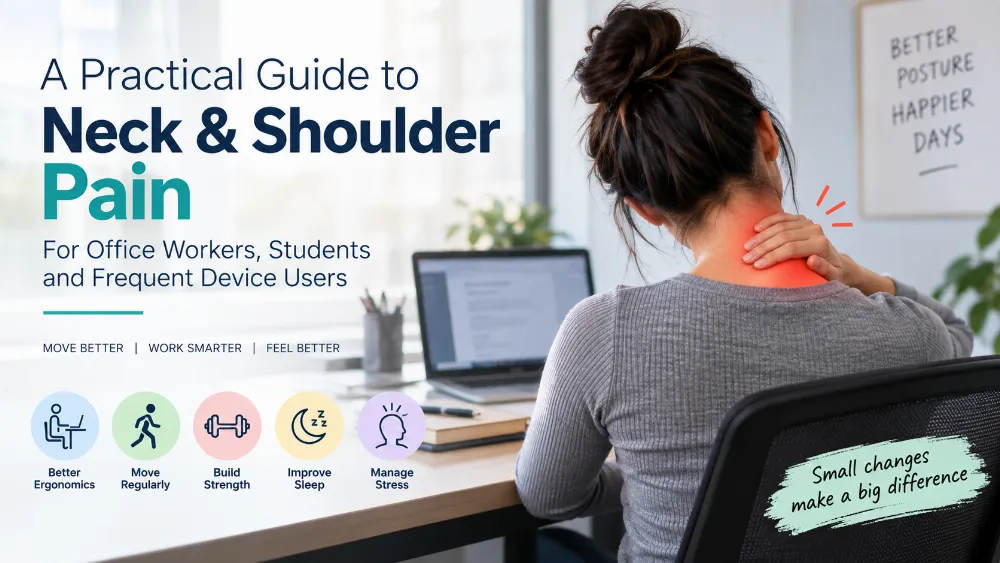
Practical guide: This practical guide is written for office workers, students and frequent device users with recurring neck, shoulder or upper-back discomfort. Posture is often blamed as if one slouched photograph explains every episode of neck pain. In reality, symptoms reflect the interaction of tissue sensitivity, time in one position, workload, sleep, stress, strength, previous injury and individual anatomy. The goal is not to hold a rigid “perfect” pose all day; it is to build enough movement variety and capacity for the demands of the day.
hnc’s Physiotherapy department can assess movement, work demands and a graded rehabilitation plan. The information below supports preparation and informed discussion; it does not diagnose a condition or replace instructions from the treating team.
Key points at a glance
- No single posture is safe for unlimited time.
- Frequent movement matters more than rigid correction.
- Strength and endurance reduce repeated overload.
- Exercise should progress according to response.
- Weakness, major trauma or severe neurological signs need medical review.
Why posture is only one part of the problem
A useful way to approach why posture is only one part of the problem is to separate observation from assumption. Sustained positions can irritate sensitive joints and muscles, but two people with similar posture can have very different symptoms. Long work sessions, low activity, poor sleep and high stress can lower tolerance and increase muscle guarding. Assessment should connect pain to specific tasks and changeable loads rather than making the patient afraid of ordinary spinal shapes. The patient should be able to state what is being watched, why it matters and which change would bring the review forward. That disciplined sequence reduces guesswork and makes the next decision easier to explain.
Ergonomics should support variation
In the patient journey, ergonomics should support variation becomes a practical decision point. A screen near eye level, supported forearms, reachable input devices and a chair that permits position changes can reduce unnecessary strain. Laptop work may need a separate keyboard or raised screen for longer sessions, while phone use improves when the device is brought upward. A careful assessment relates these facts to age, other illnesses, medicines and functional needs instead of treating one detail in isolation. Even an ideal setup becomes uncomfortable without breaks, so alternate sitting, standing, walking and task types when possible. The aim is a plan the patient can follow, not merely a technical conclusion in the record.
A useful movement examination
The first question around a useful movement examination is what the pattern is actually telling the clinical team. The physiotherapist may assess neck and shoulder range, strength, endurance, nerve sensitivity and movements that reproduce or ease symptoms. The practical meaning is that the same symptom can lead to different decisions in different people. Questions about headache, jaw symptoms, dizziness, arm numbness, work pattern and previous trauma help identify contributors and red flags. Imaging is not routinely required for uncomplicated mechanical neck pain unless clinical findings suggest a different problem. Write down the agreed action and the expected time course so improvement or deterioration can be judged fairly. Reassessment is important when the pattern changes, because an earlier explanation may no longer fit.
Exercise is a dose, not a magic list
Myth and reality often separate at exercise is a dose, not a magic list, where details matter more than labels. Gentle mobility can reduce stiffness, while progressive strengthening builds the capacity of the neck, shoulder blade and upper-back muscles. The correct dose produces manageable effort without a sustained flare, and it should progress as work and daily activity become easier. Good care also checks what the patient understands, can afford and can realistically do at home. Randomly combining many online exercises can overload tissue or obscure which movement helps. Clear safety-net advice completes the section by defining what should happen if recovery does not follow the expected path.
Manage the workday, not only the pain episode
A useful way to approach manage the workday, not only the pain episode is to separate observation from assumption. Short movement breaks scheduled before pain peaks are more reliable than waiting until the body forces a long stop. Divide intense tasks, use voice input when appropriate and avoid holding the phone between shoulder and ear. Track concentration, sleep and work tolerance as outcomes instead of judging recovery only by whether every sensation has disappeared. The patient should be able to state what is being watched, why it matters and which change would bring the review forward. That disciplined sequence reduces guesswork and makes the next decision easier to explain.
Symptoms that change the plan
In the patient journey, symptoms that change the plan becomes a practical decision point. New arm weakness, loss of coordination, unsteady walking, bowel or bladder change, fever, unexplained weight loss or severe night pain needs medical assessment. After major trauma, urgent review is more appropriate than starting exercises independently. A careful assessment relates these facts to age, other illnesses, medicines and functional needs instead of treating one detail in isolation. Persistent numbness, progressive symptoms or headache with neurological changes should also be evaluated promptly. The aim is a plan the patient can follow, not merely a technical conclusion in the record.
Preparing for a useful consultation
For a physiotherapy visit, bring a photograph or measurements of the workstation and describe the longest uninterrupted task. Note which movements ease symptoms and whether pain travels into the arm. A planned consultation can be requested through hnc appointments; Orthopaedics or another medical specialty may be involved when examination indicates. Begin with small changes that are repeatable every workday instead of redesigning everything once. Ask three closing questions: what is the working explanation, what should happen next, and which change needs faster help? Keep the written answer with the prescription or report so another caregiver can follow the same plan.
Putting the plan into practice
A written timeline is especially valuable for managing recurring desk-related neck and shoulder pain through assessment, movement and workload change. Include the first change, what made it better or worse, treatments already tried and the effect on sleep, work, school, mobility or eating. This turns a vague concern into information that can guide a safer decision.
The main takeaway
Desk-related neck pain rarely needs a single perfect stretch or a rigid posture rule. A better roadmap combines task-specific ergonomics, frequent movement, progressive strength and attention to sleep and workload. Physiotherapy can personalise that progression while screening for signs that require medical investigation. Services, schedules and eligibility can change, so confirm current details directly with hnc before a planned visit.
Frequently Asked Questions
Is poor posture the main cause of neck pain?
It can contribute, but duration, workload, strength, sleep, stress and previous injury also matter. There is no single harmless posture for unlimited time.
How often should I take a desk break?
There is no universal interval. Start with brief, frequent changes before symptoms build and adjust according to task demands and response.
Do I need an X-ray or MRI?
Not usually for uncomplicated mechanical pain. Imaging is considered when trauma, neurological signs, systemic symptoms or other findings change the clinical question.
Should neck exercises hurt?
Mild effort or temporary discomfort can occur, but severe, spreading or lasting worsening means the dose or exercise should be reviewed.
When does neck pain need urgent care?
Seek prompt help after major trauma or for new weakness, walking difficulty, loss of coordination, severe neurological headache, fever or bladder and bowel change.

